Barndominium Builders in Pittsburgh, Pennsylvania
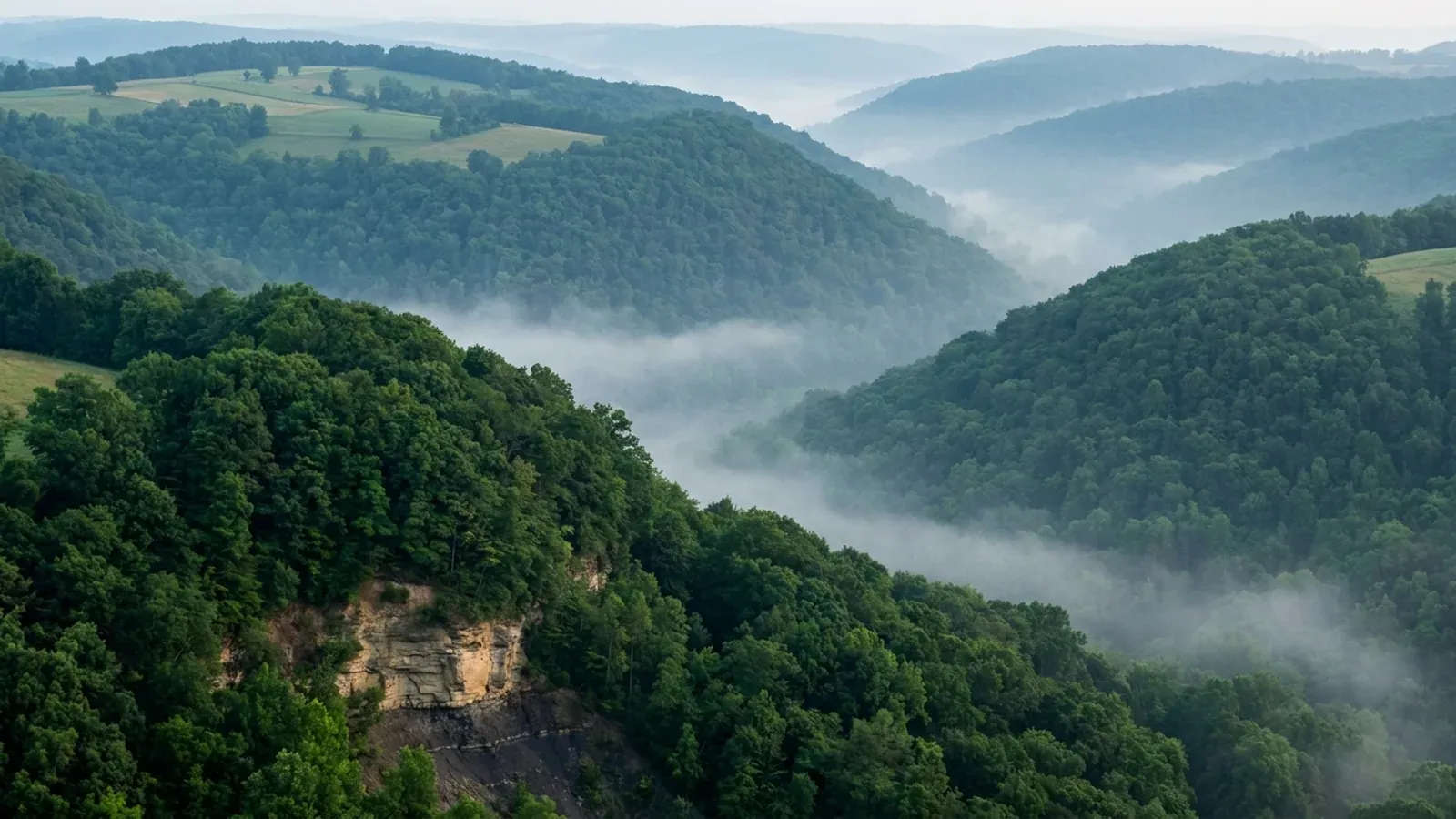
Pittsburgh barndominium projects rarely start on a flat, empty field. Buildable land inside the city usually means a hillside lot, a narrow parcel in an older neighborhood, or a site where a house once stood, so the first questions are about grades, sewer taps and zoning rather than floor plans. Pennsylvania Barndominium Builders designs and builds barndominiums, pole barn homes and steel-frame houses for owners across western Pennsylvania, and many of those conversations begin with a Pittsburgh address. We supply barndominium kits for owners who want to finish the work with their own crew, draw custom plans around a specific lot, and manage turnkey builds from site work to move-in. Inside city limits the permit path runs through the City's own offices, with plumbing handled separately by the county health department. Beyond the city line, each borough and township in Allegheny County runs its own permits, so a lot in the South Hills and a lot in the North Hills can follow different local rules. Tell us where your land is through the survey, and we will check the parcel's zoning district, slope and utility service before anything is drawn.
Pittsburgh at a glance
- County
- Allegheny County
- Municipality
- City
- Building permit
- City code office
- Local facts on this page
- 6, each linked to its source
Before you build in Pittsburgh
The local answers that shape a build here, each taken from the office or document that publishes it. Rules change, so we confirm them again against your parcel before drawing.
City of Pittsburgh Department of Permits, Licenses, and Inspections (PLI)
Inside city limits, PLI issues the building permit through the OneStopPGH portal, with separate PLI permits for electrical, mechanical and land operations work. Zoning review by the Department of City Planning is the first stop for most projects, and plumbing is permitted by the Allegheny County Health Department. Land outside the city is permitted by its own borough or township.
Source: Permits, Licenses, and Inspections, City of Pittsburgh (pittsburghpa.gov)
- Which code a new home follows
- PLI treats a detached single-family or two-family home of three stories or less as a residential structure regulated by the International Residential Code. Attached homes, homes over three stories and buildings that mix a dwelling with another use fall under the International Building Code instead (PLI permitting page, updated 14 Sep 2026).
- Plumbing permits come from the county
- The Allegheny County Health Department, not the City, permits plumbing. A plumbing plan must be approved by the Health Department before plumbing work starts; inspections follow as the work proceeds, and every plumbing permit ends with a final inspection.
- Grading on steep ground
- PLI lists a land operations permit for grading over 50 cubic yards, grading 5 feet or deeper on a slope steeper than 25%, clearing more than 10,000 square feet or on any slope over 25%, and landslide remediation. Special inspections apply to all work under it, and it needs a Zoning Development Review application (page updated 19 Aug 2026).
- Zoning review comes first
- The Zoning & Development Review Division of the Department of City Planning administers the City's Zoning Code (Title 9) and is the first stop for most construction permits. The city is divided into zoning districts that regulate the uses allowed on each property, shown on the City's interactive zoning map.
- Sewer and drinking water
- Pittsburgh Water provides wastewater conveyance and stormwater management to every property within city boundaries, but supplies drinking water to most Pittsburgh neighborhoods, not all of them. Its service-area map shows whether a lot is on its water system.
- New water and sewer taps
- A single-family home that needs new water or sewer taps, or a reconnection to an existing service, takes a residential permit from Pittsburgh Water. A lot that has been subdivided, or a home with fire protection service, needs Pittsburgh Water's development permit instead.
Source: Permitting, City of Pittsburgh PLI (pittsburghpa.gov)
Source: Project Plans and Permitting, Allegheny County Health Department (alleghenycounty.us)
Source: Land Operations Permit, City of Pittsburgh PLI (pittsburghpa.gov)
Source: Zoning, City of Pittsburgh Department of City Planning (pittsburghpa.gov)
Source: Learn Where We Provide Our Services, Pittsburgh Water (pgh2o.com)
Source: Permits, Pittsburgh Water (pgh2o.com)
Building on land around Pittsburgh
Land near Pittsburgh splits into city lots and larger parcels further out, from the rest of Allegheny County into Butler County, Westmoreland County and Washington County. Inside the city, check three things before buying: the lot's zoning district on the City's map, how steep the ground is, and who supplies drinking water there. Slope matters because PLI puts large cuts and fills, grading on slopes steeper than 25%, and landslide repair under a separate land operations permit with special inspections. Beyond the city line in Allegheny County, a parcel without public sewer needs an on-lot sewage permit from the Allegheny County Health Department, the county's sewage agency, before the building permit, so the soil is tested first. Our pole barn homes page explains how that frame sits on a sloping site.
Where we build in this part of Pennsylvania
Pittsburgh & Southwestern Pennsylvania
Barndominium Kits and Plans in Pittsburgh
A kit you finish with your own crew, a custom plan, or a turnkey build. The parcel decides the budget more than the floor area does, so we price against your land rather than a rate card.
Barndominium Kits
Barndominium kits for sale in Pennsylvania: steel and pole barn packages sized to your municipality's snow and wind values, delivered and put up.
Custom Plans
Custom barndominium plans for Pennsylvania land: floor plans and house plans fitted to your slope, your sewage area and your municipality's code.
Turnkey Builds
Turnkey barndominiums in Pennsylvania: land checks, plans, permits, site work, shell and finishes under one contract, from raw land to move-in.
Pole Barn Homes near Pittsburgh
A pole barn home puts the living space inside a wood-framed building set on posts, the same bones as a farm building, finished as a house. Whether it suits a parcel near Pittsburgh depends on the local answers above: who reviews the plans, what the zoning allows, and how the lot handles sewage.
Pole Barn HomesHave land in or around Pittsburgh? Tell us about the parcel and what you want to build, and we will check it against the local rules before anything is drawn.
Building in Pittsburgh: questions
Start the surveyHow much does it cost to build a barndominium near Pittsburgh?
Do I need a building permit for a barndominium in Pittsburgh?
Is a barndominium allowed in my Pittsburgh neighborhood?
Who connects a new Pittsburgh home to water and sewer?
Keep reading
What usually comes next once you know what Pittsburgh allows.
Cost to Build a Barndominium in Pennsylvania
Sourced per-square-foot ranges by tier and size, and what moves the number on your land.
Read itCan You Build a Barndominium in Pennsylvania?
Zoning, sewage and who inspects, before you buy the land.
Read itHow Long Does It Take?
From parcel to move-in, and which steps set the clock.
Read itSources for this page
The published pages behind the Pittsburgh facts above. Rules change, so check the current version with the office before you rely on it.
- Permits, Licenses, and Inspections, City of PittsburghBuilding permit authoritypittsburghpa.gov
- Permitting, City of Pittsburgh PLIWhich code a new home followspittsburghpa.gov
- Project Plans and Permitting, Allegheny County Health DepartmentPlumbing permits come from the countyalleghenycounty.us
- Land Operations Permit, City of Pittsburgh PLIGrading on steep groundpittsburghpa.gov
- Zoning, City of Pittsburgh Department of City PlanningZoning review comes firstpittsburghpa.gov
- Learn Where We Provide Our Services, Pittsburgh WaterSewer and drinking waterpgh2o.com
- Permits, Pittsburgh WaterNew water and sewer tapspgh2o.com
Other places we build around Pittsburgh
Across a municipal or county line the permit office, zoning and sewage agency can change, so each place has its own page.
Building in Pittsburgh?
Start with the survey. Tell us where the land is and what you want on it, and we will come back with which office permits it, what it will allow, and a plan to fit.